
What to Do in the First 24 Hours After a Car Accident in Tennessee
Jul 06 2026 12:00
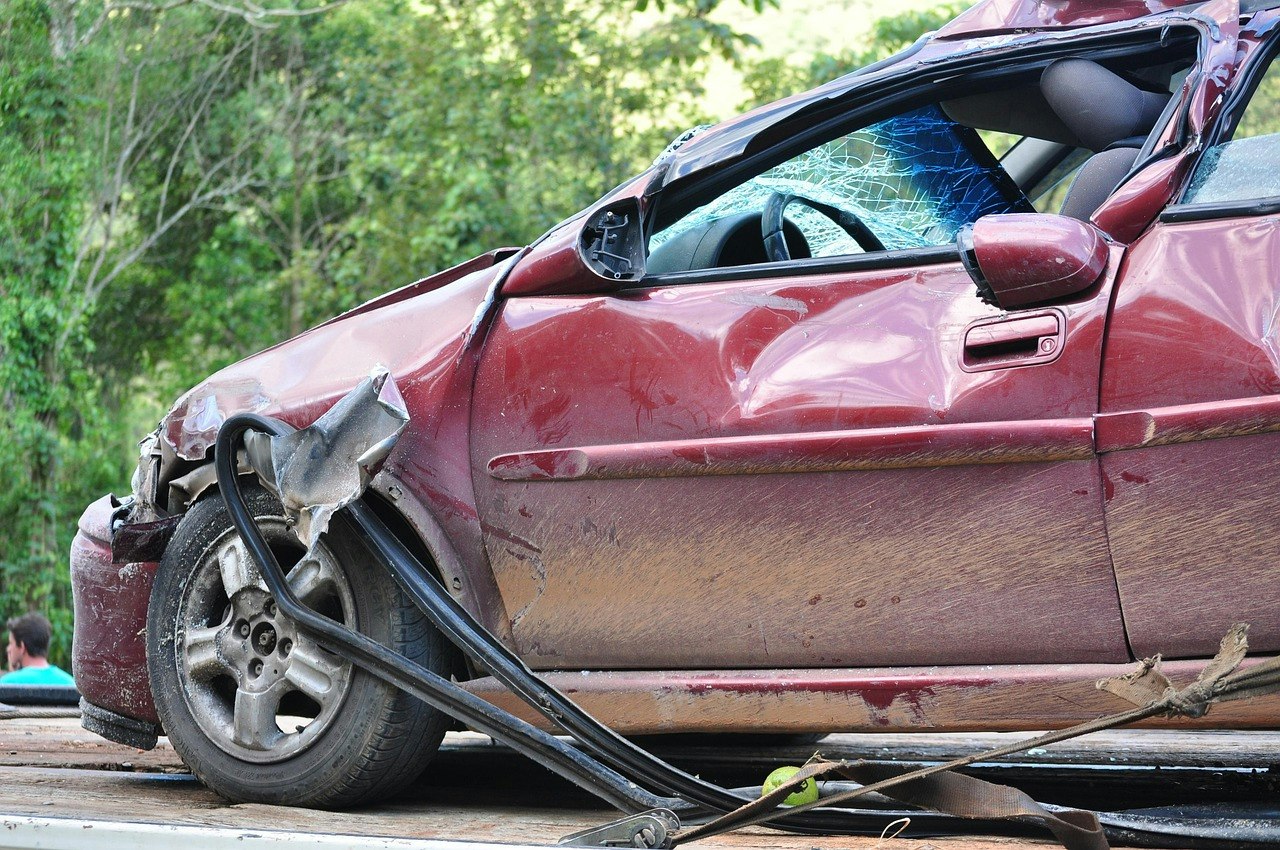
The steps you take in the first hours after a Tennessee car accident can matter greatly if you later need an injury claim. Protect your safety first, call law enforcement, document what happened, get medical attention, and be careful about what you say to insurance companies. At the Law Office of T. Verner Smith, we help people in Jackson, Madison County, and across West Tennessee take informed next steps after serious and seemingly minor crashes.
A collision can leave anyone shaken—whether it happens on the I-40 corridor, at a busy US-45 intersection in Jackson, or on a rural West Tennessee road. This checklist can help you preserve important information while you focus on your health.
1. Call 911 and Get to Safety
After a crash, call 911 if anyone may be hurt, vehicles are blocking traffic, there is a suspected DUI, or the scene feels unsafe. Move yourself and others away from danger if you can do so safely. Turn on hazard lights and follow instructions from responding officers, firefighters, or EMS personnel.
A police response can create an important record of the incident. In Tennessee, drivers may also have reporting obligations after a crash involving injury, death, or qualifying property damage. Even when the damage seems manageable, reporting the collision promptly is usually the best way to make sure the event is documented.
2. Check for Injuries—Including Symptoms That Appear Later
Do not assume you are uninjured simply because you can stand, walk, or drive away from the scene. Adrenaline can mask pain after a collision. Headaches, dizziness, neck or back pain, numbness, abdominal pain, and confusion can develop hours or days later.
Accept emergency care when it is offered, and arrange a medical evaluation as soon as possible if you have any symptoms. Prompt care protects your health and creates medical documentation connecting your symptoms to the crash. Tell the provider about every symptom you are experiencing, even if it feels minor.
3. Document the Scene Before Evidence Disappears
If you are physically able, use your phone to take wide and close-up photos or video of:
- Vehicle positions, damage, debris, skid marks, and traffic signals
- The road surface, weather, lighting, and surrounding intersections
- License plates, insurance cards, and the other vehicle’s make and model
- Your visible injuries and damaged personal property
Write down the time, location, and a short description of what you remember while it is fresh. If anyone saw the collision, ask for their name and contact information. Independent witnesses can be especially helpful when the drivers disagree about what happened.
4. Exchange Information, But Do Not Debate Fault
Exchange basic information with the other driver: name, phone number, address, driver’s license details, insurance information, and vehicle registration. Be cooperative, but keep the conversation factual. Do not apologize, speculate, accuse the other driver, or argue about who caused the crash.
A simple statement such as, “The police are on the way, and we can exchange information,” is enough. Let the evidence, police investigation, and later legal review address responsibility.
5. Preserve Records During the First Day
Save every item connected to the wreck: photographs, videos, witness details, the incident number, medical paperwork, towing records, repair estimates, receipts, and notes about missed work or activities you cannot do because of pain. Keep copies in one location and avoid posting about the accident or your injuries on social media.
If the crash happened while you were driving for work, making a delivery, or traveling between job sites, additional issues may apply. Review our Workers' Compensation
information, then speak with an attorney promptly about both potential claims.
Why Calling the Other Driver’s Insurer Can Be Risky
The other driver’s insurance company may call quickly—sometimes the next morning. The adjuster’s job is to investigate and limit the company’s financial exposure. They may ask for a recorded statement, request broad medical authorizations, or press for details before you know the full extent of your injuries.
Tennessee follows a modified comparative fault rule. In general, an injured person can recover damages only if their share of fault is less than 50 percent; any recovery may be reduced by that percentage of fault. An early, incomplete, or poorly worded statement can be used to argue that you were more responsible for the collision than you were.
The Insurance Company Called Me the Next Morning—What Do I Say?
You can confirm basic identifying information, but you do not need to give a recorded statement to the other driver’s insurer or make guesses about fault, speed, injuries, or medical treatment. A practical response is: “I am still receiving medical evaluation and would like to speak with an attorney before discussing the accident in detail.”
Then contact the Law Office of T. Verner Smith. Our team offers free consultations for car accident cases and is available by phone 24/7 at 731-423-1888 or by text at 731-244-2868. Early guidance can help you avoid common mistakes while evidence and witness memories are still fresh.
6. Speak With a Local Car Accident Attorney Promptly
Every crash is different. The Law Office of T. Verner Smith brings more than 40 years of legal experience to injury matters for people in Jackson, TN, Madison County, and throughout West Tennessee. We can review what happened, explain the next steps, help preserve evidence, and handle communications with insurance companies.
Learn more about our Accident and Injury Law
services and how we handle Car Accidents.
FAQ
How long do I have to file a car accident claim in Tennessee?
Many Tennessee personal injury claims have a one-year filing deadline, but the correct deadline can depend on the facts, parties involved, and type of claim. Do not wait until the deadline approaches—speak with an attorney as soon as possible after a crash.
Does Tennessee require you to report accidents?
Crashes involving injuries, fatalities, or certain levels of property damage may require reporting. Calling 911 at the scene is often the right first step, and drivers may need to submit an owner-operator report in qualifying situations.
What if I did not feel hurt right away?
Delayed pain is common after a collision. Seek medical evaluation promptly when symptoms appear, follow your provider’s recommendations, and keep records of your symptoms and treatment.
Can I still file if the other driver had no insurance?
Possibly. Coverage may be available through your own uninsured or underinsured motorist policy or other sources, depending on the circumstances. An attorney can review the available policies and options.
After an accident, you do not have to manage the next steps alone. Call the Law Office of T. Verner Smith anytime at 731-423-1888, text 731-244-2868, or contact us online for a free injury consultation.
Ready to Talk? We're Here When You Need Us.
If you have a legal matter and are not sure where to start, call or text our office. We will listen, give you a straight answer, and help you understand your options — no pressure, no obligation.